

A new laptop, gaming system, television, or camera can come with a price tag that makes you think twice. Buying pre-owned electronics can be a smart way to get the technology you want while keeping more money in your pocket.
But a good deal is about more than finding the lowest price. Before you buy, it helps to know what you’re looking at, what to test, and what questions to ask.
Whether you’re shopping for a computer for school, upgrading your entertainment setup, or hunting for your next gaming system, here are 7 things worth checking before buying pre-owned electronics.
1. Start With the Overall Condition
Before getting caught up in specifications and features, take a good look at the device itself.
A few cosmetic marks may be expected with pre-owned electronics, but pay attention to anything that could indicate more significant wear. Check screens, hinges, buttons, ports, cases, and other frequently used components.
Look for things like:
- Cracked or damaged screens
- Loose hinges
- Missing or unresponsive buttons
- Damaged charging ports
- Significant dents or cracks
- Signs of liquid or heat damage
- Missing covers or components
Cosmetic wear doesn’t always affect performance, but understanding an item’s condition helps you know exactly what you’re buying.
2. Make Sure the Main Functions Work
An electronic device can look great on the outside and still have problems inside.
Whenever possible, check the basic functions before making your decision. Turn the device on, test the controls, and make sure its essential features respond as expected.
For a laptop, that might mean checking the keyboard, trackpad, display, speakers, Wi-Fi, and charging port. With a gaming system, you may want to check the controller connection, disc drive when applicable, video output, and other important functions.
The goal isn’t to become an electronics technician. It’s simply to make sure the device does what you need it to do.
3. Check the Exact Model and Specifications
Two devices that look almost identical can perform very differently.
Take laptops, for example. The processor, RAM, storage, screen size, and generation can all affect performance and price. Cameras, gaming consoles, tablets, televisions, and other electronics have similar differences between models.
Before buying, check details such as:
- Brand and model number
- Release year or generation
- Storage capacity
- Memory or RAM
- Processor when applicable
- Screen size and resolution
- Connectivity and compatible accessories
Knowing the exact model also makes it easier to compare the pre-owned price with similar products currently on the market.
4. Don’t Forget the Battery
For portable electronics, battery condition deserves special attention.
Rechargeable batteries naturally lose some capacity as they age. A laptop or tablet can still work perfectly well while offering less battery life than it did when it was brand new.
If battery life matters to you, ask about understand the device’s condition and test it when possible. You should also consider whether the battery can be replaced if needed.
The U.S. Environmental Protection Agency identifies longevity, repairability, battery replacement, and the ability to upgrade electronics among considerations that can contribute to more sustainable electronics use.
5. See the Inclusions
That great price can become less attractive if you get home and realize you need to purchase several missing accessories before you can actually use the device.
Before buying pre-owned electronics, find out exactly what comes with the purchase. Some accessories are simply convenient to have, while others are essential for the device to work properly. Depending on what you’re buying, check for:
- Charger or power cable
- Remote control
- Controller
- Battery
- Dock or stand
- Necessary connection cables
- Adapters
- Original accessories
For example, a gaming console without a controller or a laptop without the correct charger may mean an additional purchase right away. With televisions, cameras, speakers, and other electronics, missing remotes, batteries, mounts, or specialty cables can also add to the overall cost.
Original packaging and manuals can be nice bonuses, especially if you like keeping everything together, but the accessories needed for everyday use should be the priority. It’s also worth checking whether replacements are readily available and how much they cost if something isn’t included.
Before deciding whether you’ve found a great deal, look beyond the price tag. Consider the complete cost of getting the device set up and ready to use so you can make a more informed comparison.
6. Know Who You’re Buying From
Where you buy pre-owned electronics matters just as much as what you buy.
A private online listing might look like an incredible deal, but it can sometimes be difficult to know exactly what you’re getting—or who you’re buying from. Before making a purchase, consider whether you can inspect the item, ask questions, and understand what options are available if something isn’t as expected.
The Federal Trade Commission’s guidance for buying through online marketplaces recommends reviewing seller information, refund and return policies, payment methods, and available buyer protections before making a purchase.
That’s one advantage of shopping with an established local business like American Jewelry and Loan. Instead of arranging a meetup with an unknown seller, you can visit one of our Metro Detroit stores, see the electronics in person, ask our team questions, and make a more informed decision before you buy.
Plus, our inventory is always changing. From laptops and gaming systems to TVs, speakers, and other electronics, you never know what you might find.
Ready to see what’s available? Browse our online shop
7. Ask About Protection After the Purchase
One of the biggest questions when buying pre-owned electronics is simple: What happens if something stops working?
American Jewelry and Loan offers an optional Electronics Protection Plan for eligible electronics purchases. The plan costs 15% of the electronics retail price and is valid for six months.
Depending on the type of electronics, covered product issues can include certain failures involving:
- Screens and displays
- Laptop hinges
- Motherboards and hard drives
- Television controls and panels
- Remote controls
- Speakers
- Internal manufacturer components
The plan applies to covered defects in materials or workmanship during ordinary use, so it’s important to review the full terms and exclusions before purchasing.
Learn more about Electronics Protection Plan.
There’s Another Benefit to Buying Pre-Owned
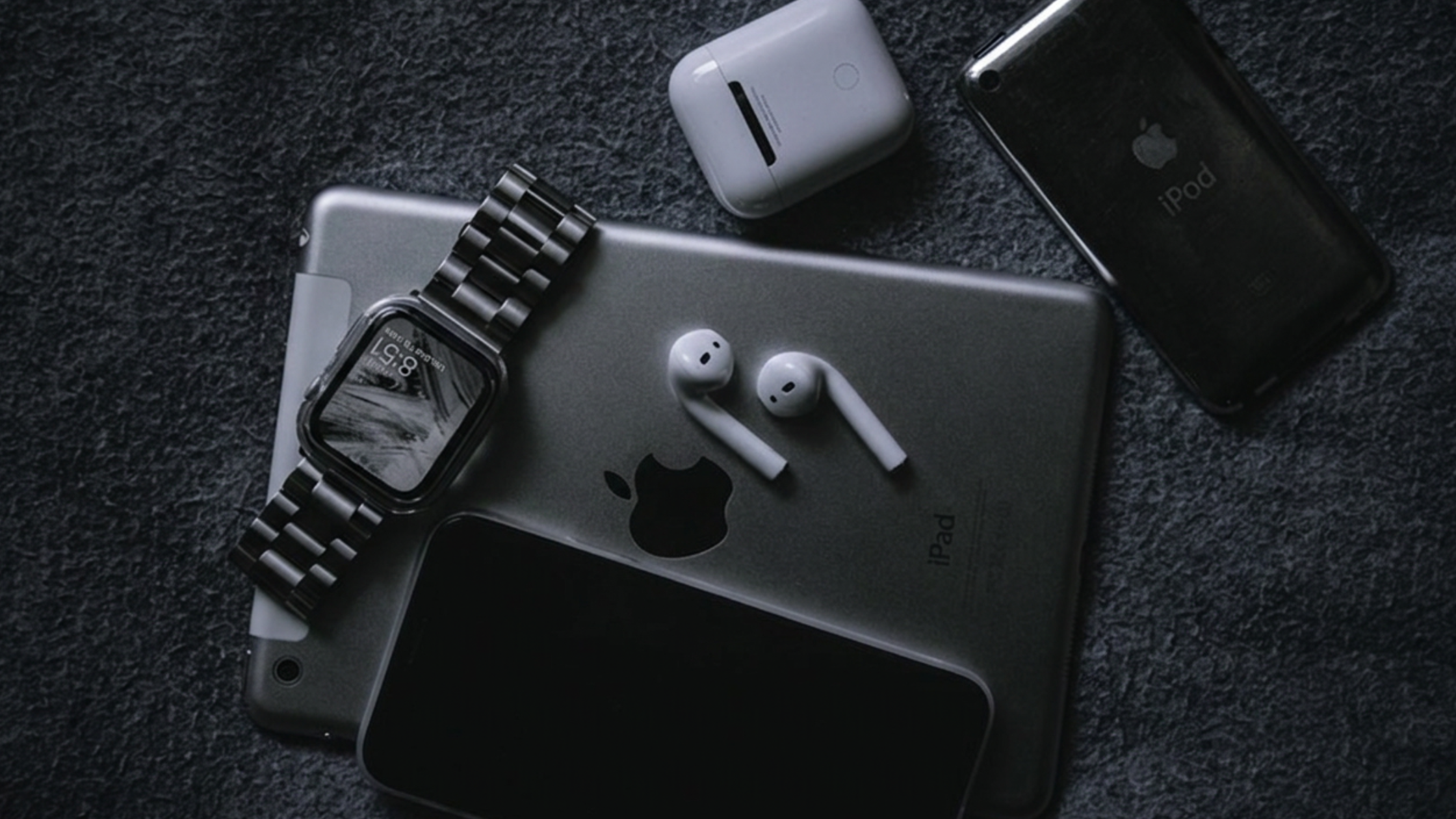
Buying pre-owned electronics isn’t only about finding a better price. It also gives functional technology more time to be useful instead of replacing it simply because something newer has hit the market.
Electronics require materials, energy, and resources to manufacture. When a laptop, gaming system, television, speaker, or other device still works well, choosing pre-owned helps extend its useful life and keeps a perfectly usable product in circulation longer.
It also encourages a more thoughtful way to shop. Instead of automatically buying new, you can choose an existing device that meets your needs while potentially spending less in the process.
That’s one of the advantages of the pre-owned market: quality electronics can continue delivering value from one owner to the next. For shoppers, that can mean a smarter price. For the product itself, it means getting more out of something that still has plenty of life left.
Ready to Shop Smarter?
Buying pre-owned electronics doesn’t have to feel like a gamble. Check the condition, test important functions, understand the specifications, look at the battery, confirm what’s included, know your seller, and ask what protection is available.
At American Jewelry and Loan, you can find electronics alongside jewelry, luxury watches, sports memorabilia, and plenty of other pre-owned finds — often at a fraction of retail price.
Looking for your next upgrade? Browse our current online inventory or visit one of our Metro Detroit locations and see what’s available.