Have you ever wondered why two items that originally cost about the same amount can have very different values at a pawn shop?
The answer is that pawn value isn’t determined by the original price alone. Condition, current market value, demand, brand, materials, and even the accessories you bring with an item can all play a role.
Understanding these factors can give you a better idea of what to expect before bringing an item to American Jewelry and Loan.
Original Price Doesn’t Always Equal Today’s Value
One of the biggest misconceptions about pawning an item is that its value should be based on what you originally paid.
Retail prices and resale values are two different things. An item that cost $1,000 several years ago may have a very different market value today, while another item could remain highly desirable long after its original purchase.
At American Jewelry and Loan, offers are based on an item’s current market value, rather than simply its original retail price.
That means the question isn’t only, “What did this cost?” It’s also, “What is this item worth in today’s market?”
Condition Can Make a Difference
Two identical items can have different values depending on their condition.
An electronic device that works properly, a well-maintained luxury watch, or a power tool in good condition may have stronger resale potential than an item that needs repairs.
Before bringing something in, take a moment to check its condition. For electronics and similar products, gathering the original charger, cables, controllers, boxes, manuals, or other accessories can also help our team better understand what you have.
Learn more about selling your items at American Jewelry and Loan.
Current Demand Matters
Some items simply have more demand than others.
Popular electronics, jewelry styles, tools, watches, collectibles, and luxury accessories can attract different levels of interest depending on what’s happening in the resale market.
Demand can also change over time. A product that was highly sought after several years ago may have been replaced by newer technology, while certain vintage items can become increasingly desirable.
That’s why current market conditions matter when determining pawn value.
Brand, Model, and Specifications Count
Sometimes small details make a big difference.
Two laptops may look almost identical but contain different processors or storage capacities. Two watches can have similar designs but come from completely different manufacturers or collections.
When evaluating an item, details that may help identify its current value include:
- Brand or manufacturer
- Model or reference number
- Age or generation
- Size, capacity, or technical specifications
- Limited or special editions
- Original accessories and packaging
The more accurately an item can be identified, the easier it is to research its current market.
Precious Metals and Jewelry Have Their Own Factors
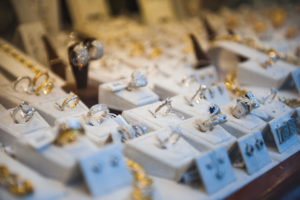
Jewelry can require a different type of evaluation because several components may contribute to its value.
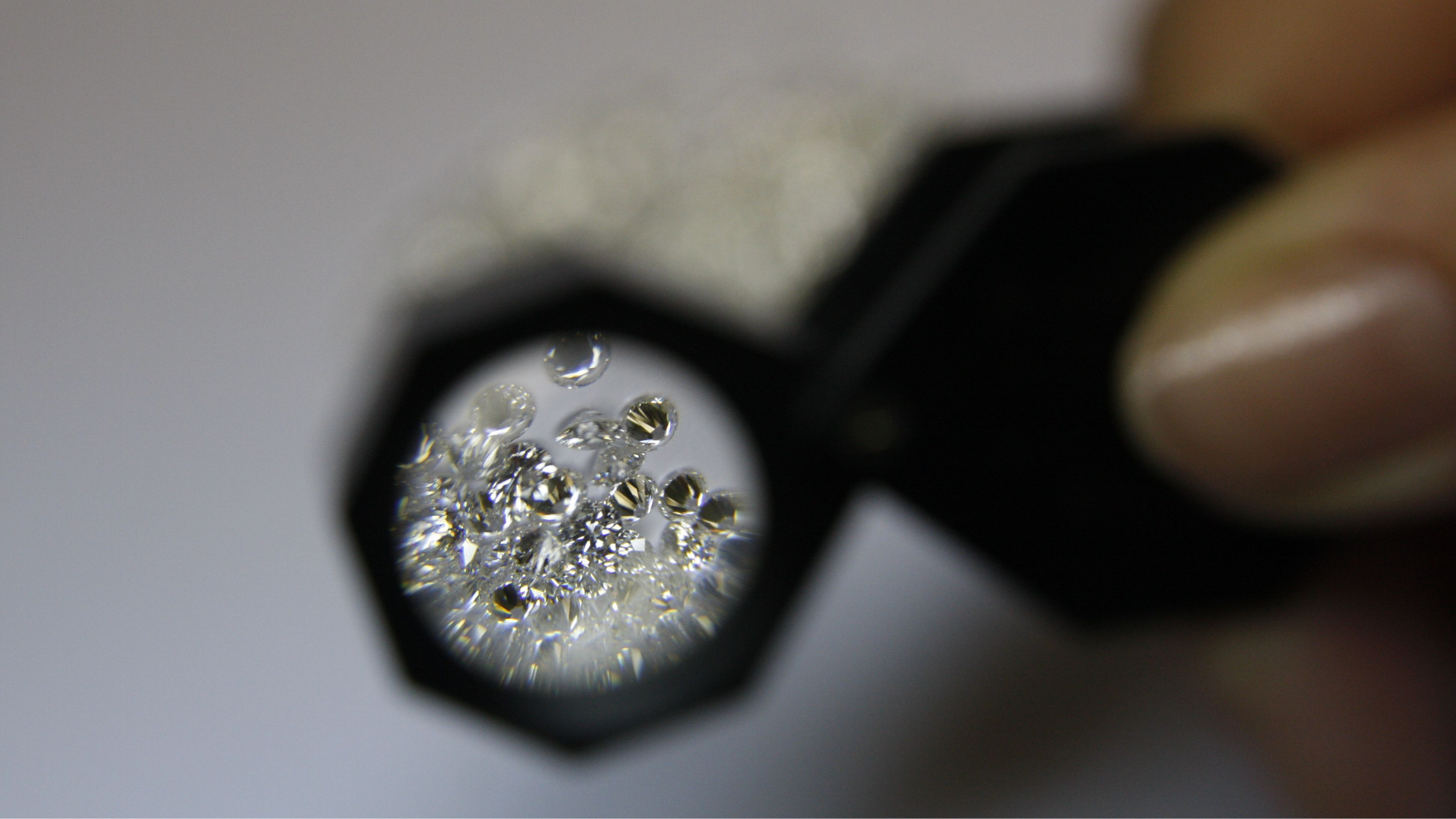
With gold and other precious metals, weight and purity can matter. Gemstones, craftsmanship, condition, brand, and resale demand may also contribute depending on the piece.
Gold prices themselves also fluctuate. The World Gold Council’s gold market resources provide information about the factors affecting the global gold market and current gold trends.
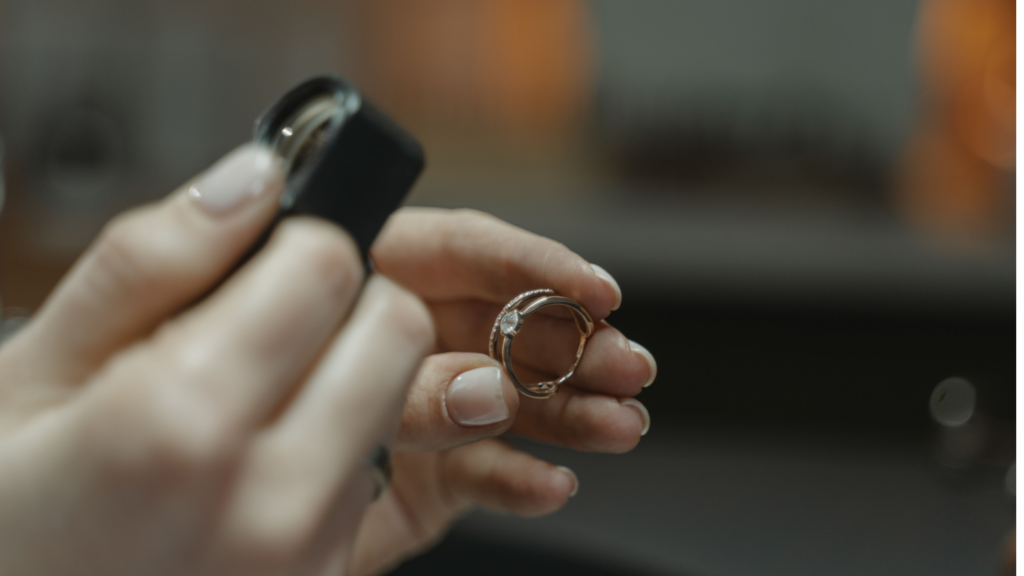
And don’t automatically dismiss a broken chain, damaged ring, or outdated piece. Even if jewelry is no longer wearable in its current form, its precious-metal content may still have value.
Documentation Can Help Tell the Full Story
Have the original paperwork? Bring it with you.
Depending on the item, useful information could include:
- Jewelry appraisals
- Gemstone documentation
- Certificates of authenticity
- Original receipts
- Product documentation
- Original packaging
Paperwork doesn’t automatically determine an item’s pawn value, but it may provide helpful information when identifying and evaluating what you have.
What Types of Items Can Have Pawn Value?
Jewelry may be one of the first things that comes to mind when you think about pawning, but American Jewelry and Loan works with a much wider variety of items.
Some of the items you can bring in include:
- Gold, diamonds, and fine jewelry
- Luxury watches
- Designer handbags and accessories
- Electronics, computers, tablets, and gaming systems
- Power tools and professional equipment
- Musical instruments and audio equipment
- Sports equipment and memorabilia
- Collectibles and rare coins
Not sure about something sitting around your house? Explore our full Pawn & Sell List to see more of the items we consider.
Can You Get More Value From Your Item?
You can’t control the market, but you can make sure the item you bring in is ready to be properly evaluated.
Before visiting, consider these simple steps:
- Make sure the item works properly when applicable.
- Gather accessories, chargers, cases, or components.
- Bring relevant paperwork or documentation.
- Know the brand and model when possible.
- Avoid assuming the original purchase price is today’s value.
Most importantly, don’t assume something isn’t worth bringing in simply because it’s older or you no longer use it.
There isn’t one universal formula for determining pawn value. Current market value, condition, demand, specifications, materials, and documentation can all contribute to the final evaluation.
American Jewelry and Loan has served Metro Detroit for decades, helping customers understand the value of the items they already own.
Have something you’re curious about? Bring it in and let our experienced team take a closer look.
Find the nearest American Jewelry and Loan store in your area.